Spring: clear and inspect after winter
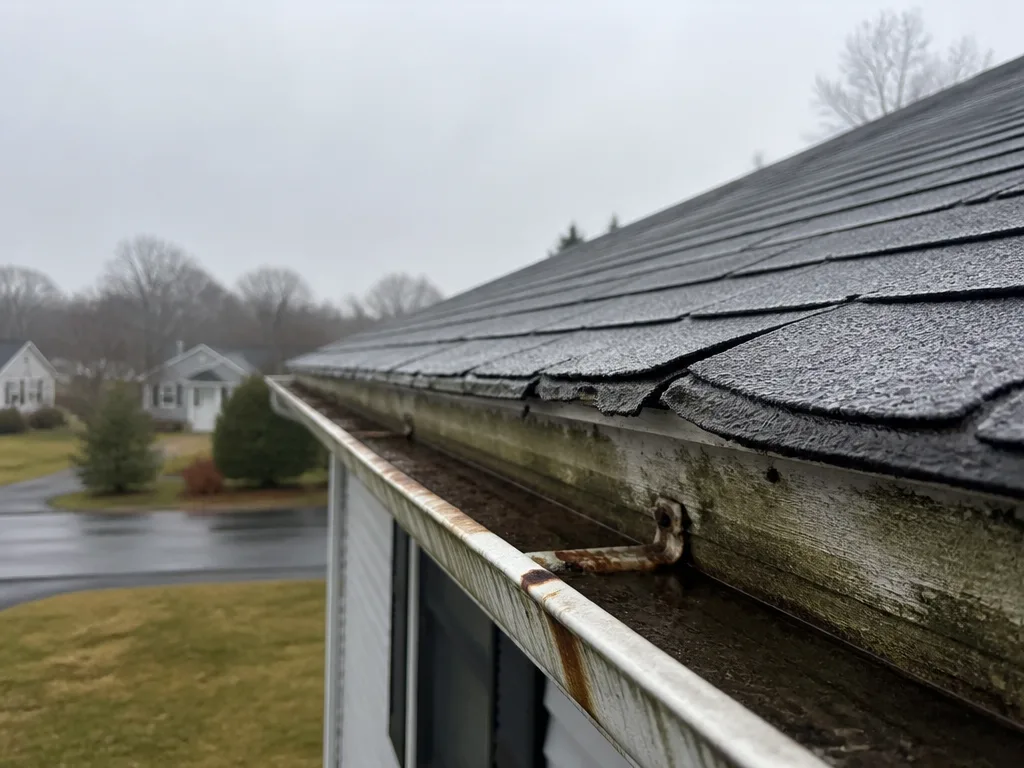
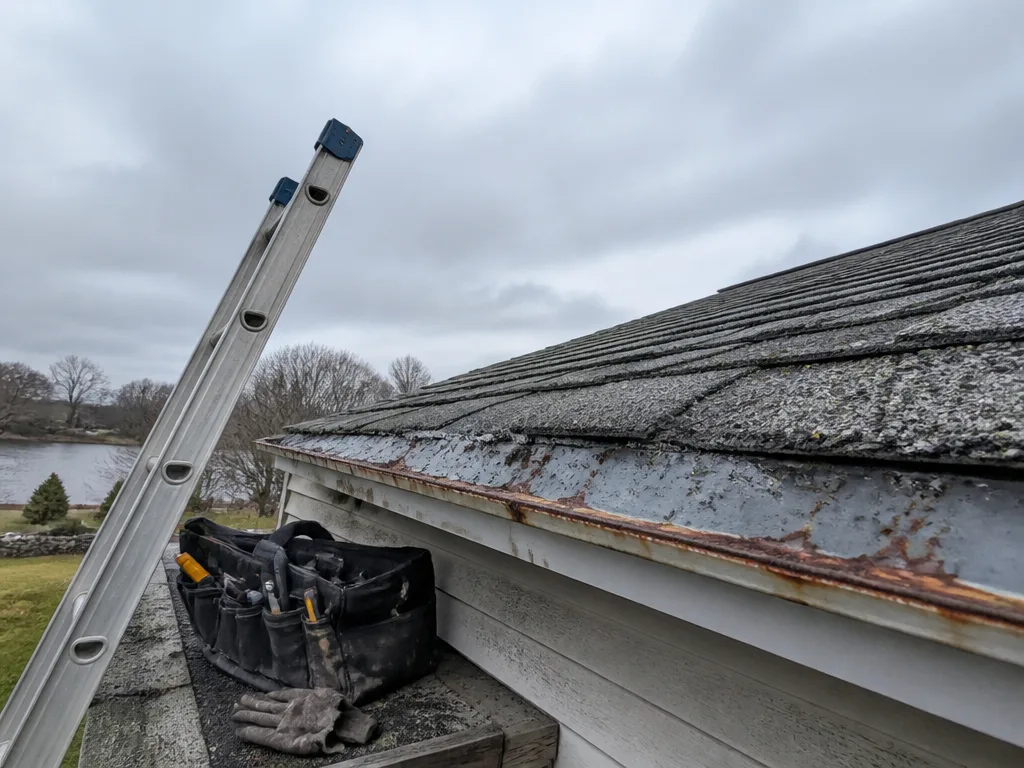
Spring is a good time to inspect the edge and gutters after winter storms. Look for ice dam damage on the roof edge, check for any shifted flashing, and clean out gutters that may have filled with shingle debris. A quick check helps prevent leaks during the thaw and rain season that follows.
In Connecticut, freeze thaw cycles can push nails and hangers loose. A basic edge inspection that focuses on the fascia and gutter anchors helps you catch problems before they worsen. If you see loose components, call a roofer to reseat or replace them as needed.
Summer: keep water flowing away from the home
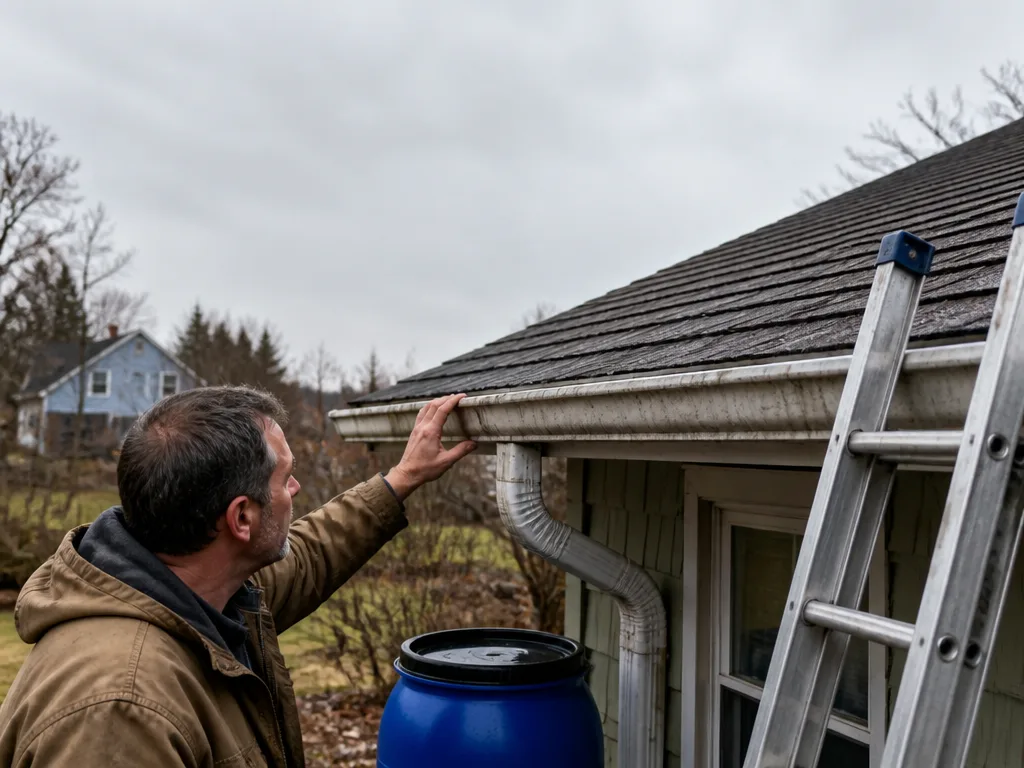
Summer storms can dump heavy rainfall in a short period. Ensure downspouts discharge away from the foundation and that the soil grade directs water away. Check for bent or clogged downspouts and any gutter seams that leak during heavy rain. A well-maintained system reduces the risk of interior moisture during storm season.
Our crews in every Connecticut metro can confirm that a simple re-seating of gutters or a minor repair to flashing often saves big headaches later in the season.
Autumn: prepare for leaves and wind
Fall is when debris piles up. Clean gutters and downspouts before the first heavy rain, and inspect the roof edge for loose flashing or damaged shingles. Wind-driven leaves can clog drainage fast. A quick check now helps avoid water intrusion when the cold air returns.
Winter prep is about sealing and securing. Clear gutters, check for ice dam risk in areas where warm rooms meet colder attic zones, and ensure there is no sagging along the edge. A short, routine service from a Connecticut Downspout Repair crew can keep the system ready for whatever winter brings.
Simple maintenance habits that fit any home
- Clean gutters twice a year and after big storms
- Inspect the edge flashing for corrosion or loose pieces
- Verify downspout outlets drain away from the foundation