Spotting trouble at the edge of the roof
Across Connecticut homes, the edge and eaves carry water away from the structure. When gutters or downspouts are blocked or detached, water can back up and seep along the roof line. Look for peeling paint at the soffit, loose shingles near the edge, or dark stains on interior ceilings that follow a wall line. These are early signs that the system isn’t carrying water away properly.
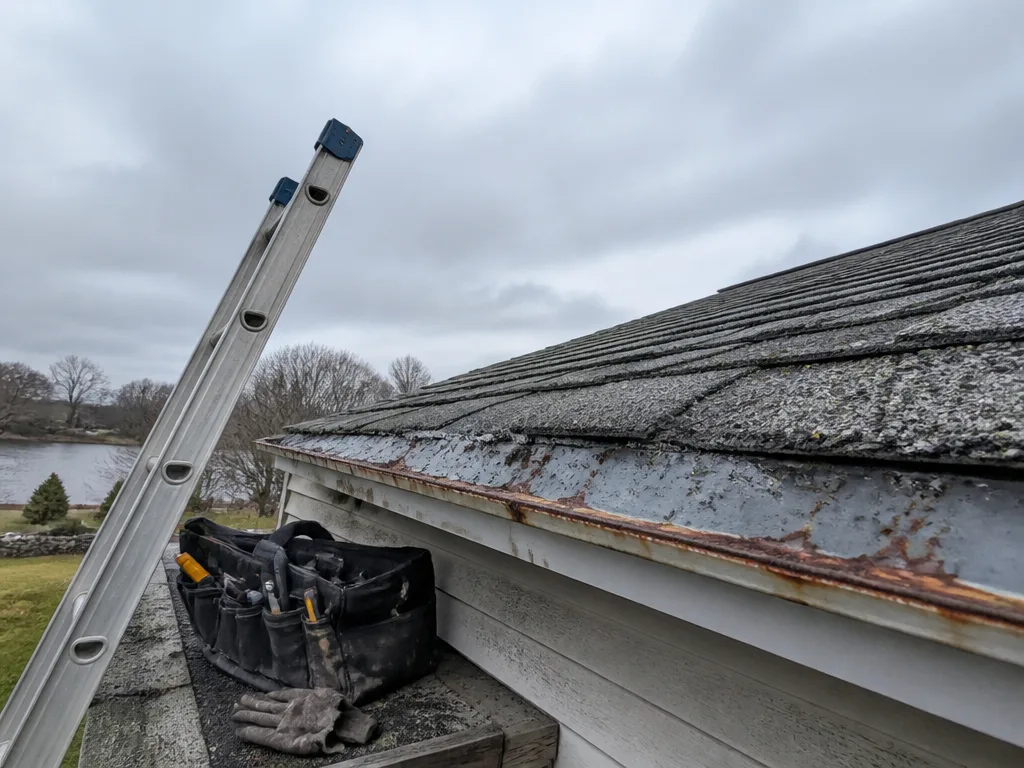
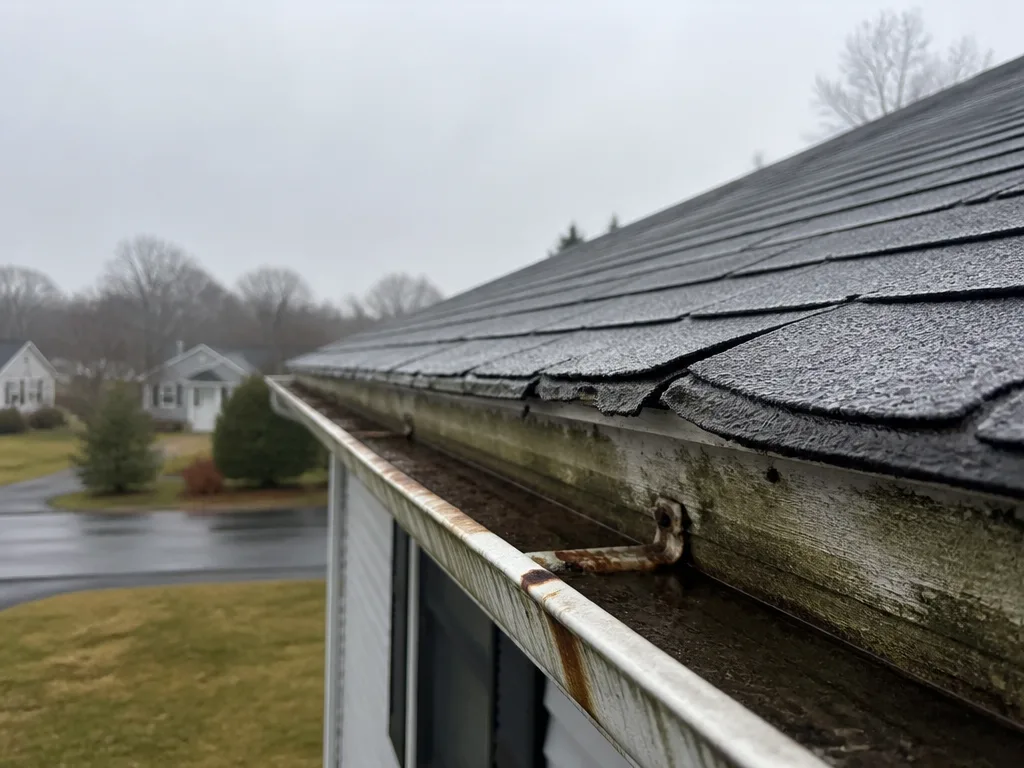
Our crews in every Connecticut metro see the same patterns: granule loss on shingles near the gutter, visible rust at metal components, and sagging gutters that pull away from the fascia. If you notice water dripping from the eaves during a rainstorm, that’s a clear signal to have a roofers take a closer look.
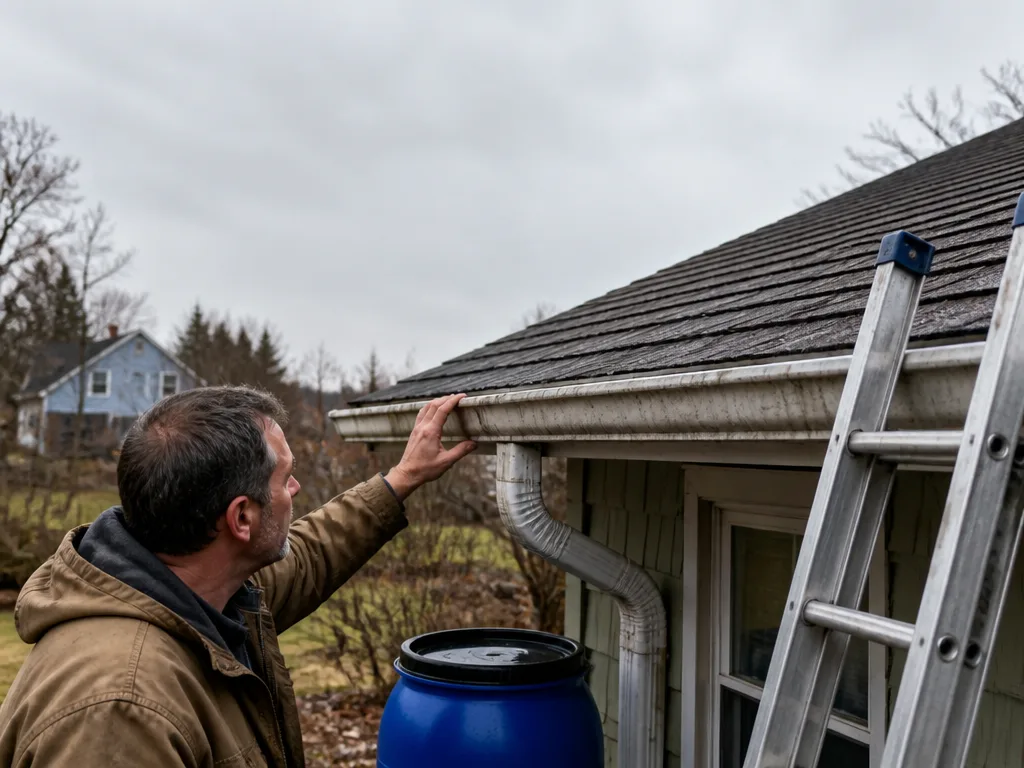
Keep an eye on the downspouts too. If water pours out of multiple outlets at once or pools against the foundation after a storm, the drainage path isn’t working as intended. Early intervention with a pro can prevent rot, mold, and costly interior damage.
What causes these warning signs
Many times the issue isn’t a missing shingle but a compromised gutter system. Debris buildup, bent hangers, or loose seams let water sit where it shouldn’t. Over time, that water can creep under the edge flashing and affect the roof deck. In Connecticut, seasonal shifts bring freeze thaw cycles that can worsen small gaps fast.
A sagging section of gutter usually points to a problem with hangers or the fascia board. A roofer can assess whether brackets need repositioning, downspouts require rerouting, or fascia repairs are needed to stop water from intruding behind the gutter.
What to do if you spot signs
Document the issue with photos and note when you first saw it. Schedule a visit from a Connecticut Downspout Repair crew for a thorough inspection. We’ll check the edge flashing, gutter pitch, and downspout connections and explain the next steps in plain terms.
In the meantime, keep gutters clear of leaves, seeds, and pine needles. If shingles are loose or missing near the edge, avoid walking on the roof and wait for a professional assessment. Address small leaks quickly to limit interior water intrusion while you arrange a repair plan.
Quick-action checklist
- Remove debris from gutters and downspouts regularly
- Watch for staining or soft spots on interior ceilings
- Check for loose or missing edge flashing after storms